1. CNIE Hosts Capacity-Building Training for Chinese Health Sector NGOs to Go Global
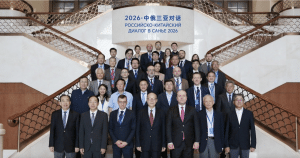
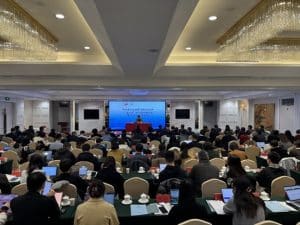
From December 14 to 17, a capacity-building training program for social organizations in the health sector was held in Putian, Fujian Province. The program was organized by the Health Committee of the China NGO Network for International Exchanges (CNIE) and the Chinese Medical Association (CMA), with co-organization by the Silk Road Planning Research Center. Over 120 organizations participated, including local foreign affairs offices, CNIE Health Committee member units, CNIE group members, specialty branches of the CMA, think tanks, and universities. The training aimed to thoroughly study and implement the spirit of the Fourth Plenary Session of the 20th CPC Central Committee and the blueprint of the 15th Five-Year Plan, enhancing the capacity of civil society actors to conduct international exchanges and contribute to high-quality civic diplomacy under new circumstances.
At the opening ceremony, speeches were delivered by Zhou Mingjian, Vice President of CNIE, Secretary of the Party Committee and Vice President of the CMA, along with colleagues from the CNIE Secretariat. Liang Chunqi, Secretary of the Discipline Inspection Commission of the Chinese Medical Association, presided over the ceremony.
Experts and scholars—including Liu Huawen, Director of the Institute of International Law at the Chinese Academy of Social Sciences; Li Wei, Deputy Director of the Department of International Cooperation at the National Health Commission; Chen Rui, Deputy Director of the China Centre For International Science And Technology Exchange and Vice Chairman of the Chinese Society For Science And Technology Journalism; Wang Yunping, Director of the Global Health Research Office at the China National Health Development Research Center; and Yin Hui, Assistant Director of the Global Health Department at Peking University Health Science Center—delivered lectures on topics such as the high-quality development of civic diplomacy, the application of international law, global health governance, trends in international scientific organizations, and the building of a “Healthy Silk Road,” among others.
Representatives from the World Federation of Chinese Medicine Societies, World Federation of Acupuncture-Moxibustion Societies, Chinese Hospital Association, Chinese Medical Doctor Association, China Reproductive Health Industry Association, China Organ Transplantation Development Foundation, the Ethics Branch, Infectious Diseases Branch and Medical Imaging Technology Branch of the Chinese Medical Association, China Family Planning Association, Volunteer Doctors Committee of the China Volunteer Service Federation, Beijing Angel Mom Charity Foundation, Tianjin Anti-Cancer Association, and other organizations shared practical experiences and case studies of international engagement. During the training, the CNIE Health Committee and Secretariat reviewed 2025 work, outlined 2026 plans and priorities, and facilitated discussions with member units and local associations.
Participants praised the program for its political guidance, discipline, efficiency, and high-quality, practical teaching. They noted that it strengthened their sense of urgency, mission, and responsibility in “going global,” while boosting confidence in civic diplomacy work. Participants committed to applying what they learned in practice, fostering innovation, cohesion, and effectiveness, and advancing Chinese Health Sector NGOs’ international engagement to serve high-quality civic diplomacy and contribute to building a community with a shared future for humanity.
Credits: China NGO Network for International Exchanges
2. Capacity-Building Training Empowers Chinese NGOs in International Humanitarian Assistance
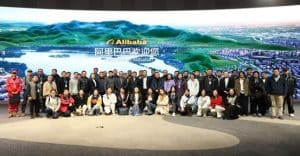
From December 17 to 20, a capacity-building training program for social organizations in the field of humanitarian assistance was held in Hangzhou, Zhejiang Province. Guided by the China NGO Network for International Exchanges (CNIE), the program was organized by the CNIE Humanitarian Assistance Professional Committee and implemented by Beijing Peaceland Foundation, with support from Alibaba Foundation, Beijing Hengshan Foundation, Beijing E-share Civil Society Information Centre, Zhejiang Ramunion Rescue and other key NGOs. Over 70 representatives from more than 50 organizations—including NGOs, think tanks, media, and local foreign affairs offices—attended. The training aimed to strengthen the ability of Chinese civil society organizations to engage in international humanitarian collaboration and support high-quality people-to-people diplomacy, in line with the spirit of the Fourth Plenary Session of the 20th CPC Central Committee and the 15th Five-Year Plan.
Speakers included Wang Ke, Chairman of Beijing Peaceland Foundation; Liu Zhihua, Chairman of Beijing Hengshan Foundation; Dong Yu, Vice President of Alibaba Foundation and officials from the CNIE Secretariat. Professor Dong Qiang of China Agricultural University; Li Li, Senior Engineer at the National Earthquake Response Support Service of Ministry of Emergency Management; Li Donglin, Deputy Director of the Academic Committee of the International Competence Development Committee; Luo Xiaohui, Senior Manager of Sinotrans Limited; Ge Haoyi from the Xiamen Dawn Emergency Rescue; and Ji Ran and Jia Nan from the China Foundation for Rural Development delivered keynote speeches. Topics ranged from the UN humanitarian system, cross-border aid logistics, international project management, and fundraising, to crisis response and national image-building through humanitarian action.
Participants also visited the Alibaba Corporate Development and Culture Exhibition Hall to learn about corporate innovation and philanthropy. Representatives from the Shenzhen Rescue Volunteers Federation, Zhejiang Ramunion Rescue, Beijing Lingfeng Foundation, Beijing Guangming Charity Foundation, Dream Building Service Association and Sichuan Haihui Poverty Alleviation Service Center shared practical experiences in international humanitarian aid and organizational capacity-building.
The CNIE Humanitarian Assistance Committee convened a plenary meeting to thoroughly study the spirit of President Xi Jinping’s congratulatory letter to the Third Membership Representative Conference of the China Volunteer Service Federation. The committee also reviewed its 2025 achievements and planned 2026 priorities, including flagship projects such as the “One Vehicle, One Ship” initiative—China’s first private deep-sea medical rescue ship and a mobile surgery vehicle project.
Participants acknowledged the program’s rich, practical content and political guidance, noting that it provided a valuable platform for resource coordination and international collaboration. Guided by CNIE, participants pledged to put their learning into practice, promote Chinese NGOs’ international engagement, and contribute to building a global humanitarian community.
Credits: China NGO Network for International Exchanges